New Mexico’s high desert is tough on equipment. Organ, NM sits at the base of the Organ Mountains, where sun exposure, wide temperature swings, and spring winds stress every part of a home’s comfort system. Homeowners ask one question more than any other: how long should an HVAC system last here? The honest answer depends on equipment type, installation quality, maintenance, and local conditions. Air Control Services, a trusted HVAC contractor in Organ, NM, shares clear benchmarks, local wear factors, and smart replacement timing so homeowners in the 88052 zip code can plan with confidence.
The short answer by system type
Assuming a proper install, regular maintenance, and average use in Doña Ana County conditions, these are realistic service life ranges:
- Central air conditioners: 10 to 14 years in Organ due to heat and dust Gas furnaces: 15 to 22 years with annual safety checks Electric heat pumps: 10 to 15 years, depending on defrost performance and coil care Ductless mini-splits: 12 to 18 years when filters and coils stay clean Package units: 9 to 13 years, since rooftop placement increases sun and wind exposure Evaporative coolers (swamp coolers): 5 to 10 years, pads and water quality drive results Thermostats and controls: 8 to 12 years for smart models, longer for basic programmable units
These ranges reflect Organ’s intense UV, frequent dust, and high winds near San Augustin Pass. In milder climates, many of these systems might run longer. Here, proactive care makes the difference.
Why Organ’s climate shortens HVAC life
The Organ Mountains-Desert Peaks National Monument watches over a climate that punishes outdoor equipment. Summer highs and intense sun force central air and heat pumps to run long cycles. Dust enters condenser fins and air handlers, choking airflow and causing higher operating pressures. Spring winds drive debris into outdoor coils and can loosen electrical connections. Winter nights drop fast, which starts and stops furnaces more often. That cycling adds mechanical wear to blowers, compressors, and inducer motors. The result is shorter life if maintenance lags.
Homes near Moongate or Organ Mountain Estates see similar patterns, especially on exposed lots. Rooftop package units face the harshest conditions. Ground-mounted condensers with shade and wind breaks tend to last longer.
What matters more than the nameplate age
A system’s age is one data point. Air Control Services looks at operating condition, parts history, efficiency, and safety when advising repair or replacement.
Install quality sets the ceiling on lifespan. Correct refrigerant charge, sealed ductwork, proper airflow, and right-sized equipment prevent early failures. Poor static pressure or undersized returns can burn out blower motors and freeze evaporator coils. The best brand will struggle if installed wrong.
Maintenance protects the investment. A well-maintained 14-year-old AC can outperform a neglected 8-year-old system. Seasonal tune-ups catch low refrigerant, weak capacitors, dirty condenser coils, and clogged filters before they HVAC contractor Organ NM cascade into compressor damage. In the 88052 area, filters need extra attention due to dust and wind.
Usage patterns count. A home at the edge of the San Augustin Pass that sets the thermostat low all summer will rack up more run hours than a shaded Las Cruces property. More hours lead to earlier wear on the compressor, blower motor, and contactors.
Signs your system is nearing the end
Homeowners often feel a decline long before total failure. Watch for these practical signals on both cooling and heating equipment:
- Rising energy bills with no change in habits suggest airflow issues or aging condenser coils. Efficiency drops off as coils foul. Frequent repairs, like replacing a start capacitor or a contactor every season, show that electrics and motors are wearing out. Those small parts protect bigger ones. Repeated failures raise risk for a compressor short. Short cycling points to thermostat calibration, restricted airflow, or a failing high-limit switch on furnaces. If a furnace short cycles on cold Organ nights, it needs diagnosis before it cracks a heat exchanger. AC blowing warm air often means a refrigerant leak, a seized compressor, or a clogged expansion valve. Frozen evaporator coils and water around the air handler strengthen that case. High dust levels inside the home even with regular cleaning can point to duct leaks, poor filtration, or bypass around the filter rack. Dust is a local factor that accelerates wear on blower wheels and MERV filters.
Air Control Services technicians can quickly replace a failed start capacitor, clean condenser and evaporator coils, or recharge R‑410A refrigerant when appropriate and safe. If the compressor is failing or the heat exchanger shows cracks, the team explains repair feasibility versus replacement value based on age and condition.
Central air conditioners in Organ: realistic expectations
A properly installed central AC in Organ usually delivers 10 to 14 years. The limiting factor is heat and airflow. Dirty condenser fins restrict heat rejection. That drives up head pressure, makes the compressor work harder, and shortens life. Outdoor units near unpaved drives or prevailing winds clog faster.
Annual maintenance helps. A deep coil cleaning, a refrigerant performance check, and verification of superheat and subcool numbers protect the compressor. Simple shade structures that do not block airflow can lower condensing temperature by a few degrees and ease the load.
Older systems that use R‑22 are beyond serviceable refrigerant support. If such a system is still running, replacement is the clear path. Modern systems with R‑410A and high-SEER ratings cut energy use and hold up better under long cycles common in the 88052 climate.
Heat pumps: year-round duty in a desert climate
Heat pumps offer efficient heating and cooling. They shine in Organ during shoulder seasons and many winter days. Expect 10 to 15 years for a standard split system heat pump here. The key is coil care, defrost control, and proper sizing.
Dust on outdoor coils forces longer cycles in summer and rougher defrost operation in winter. That strains the compressor and the reversing valve. A good install with correct charge and airflow gives a heat pump a strong start. A poor install steals years from its life.
For high-efficiency comfort, Air Control Services often recommends Lennox or Trane heat pumps with variable-speed compressors. Those systems handle temperature swings better and run quieter during windy nights. The company services Goodman, York, Bryant, Rheem, and Carrier units as well, and carries parts support for each.
Furnaces: safety first, then longevity
Gas furnaces can deliver 15 to 22 years in Organ if they receive annual safety checks. The heat exchanger is the critical part. Cracks can allow a carbon monoxide leak. A clean flame, verified draft, and proper combustion air keep the furnace safe and efficient.
Short cycling hammers a furnace. It points to dirty filters, restricted ductwork, a high-limit switch issue, or oversizing. Homes near the base of the Organ Mountains often have dust that loads up MERV filters fast. That reduces airflow and overheats the heat exchanger, which reduces life. Air Control Services tests static pressure and duct integrity to protect the exchanger and blower motor.
Pilot light issues arise on older models, especially during windy nights near passes. Modern furnaces use electronic ignition and sealed combustion, which handle Organ’s winds better and improve fuel use.
Ductless mini-splits: a strong fit for sun rooms and casitas
Ductless systems last 12 to 18 years here with basic care. Inverter-driven compressors ease strain by modulating capacity. Mini-splits from Mitsubishi Electric and Carrier perform well in high solar gain rooms and garage conversions. Filter screens on indoor heads need monthly cleaning in dusty months. Outdoor units benefit from clear airflow on all sides and a light shade cover.
Package units and rooftop exposure
Many homes near Las Cruces and Organ use package units. These combine heating and cooling in one cabinet on the roof. Expect 9 to 13 years due to constant sun and wind exposure. UV degrades panel seals, and wind-driven dust coats coils. Regular cleaning and UV-resistant coatings help. If the roof makes service access hard, owners sometimes push visits, which shortens life further. Planning semiannual service is wise for package systems in 88052.
Evaporative coolers in Organ’s dry heat
Swamp coolers give budget cooling for 5 to 10 years. Water quality, pad maintenance, and off-season storage matter most. Hard water leaves mineral scale on pads and pumps. Spring winds blow dust into housings. A preseason service with pad replacement, pump check, and cabinet cleaning restores performance and extends service life. Air Control Services maintains evaporative coolers and can transition homes to ducted central air or heat pumps when owners are ready.
How maintenance extends lifespan in 88052
A focused tune-up targets the parts that take the most abuse in Organ’s conditions. Technicians at Air Control Services:
- Clean condenser and evaporator coils and inspect the expansion valve for restrictions Test capacitors, contactors, and blower motors for correct values and vibration Verify refrigerant charge on R‑410A systems with performance data, not guesswork Check ductwork for leaks and dust accumulation that reduce airflow and raise bills Inspect heat exchangers, inducer motors, and flue systems for safe operation
This work lowers head pressure, reduces start-up stress, and protects compressors and heat exchangers. For many systems, that adds two to four years of reliable service.
Repair or replace: a practical decision for Organ homes
Owners face a clear trade-off near year 10 for ACs and year 15 for furnaces. If the repair is minor, like a capacitor, a blower relay, or a thermostat, repair makes sense. If the compressor is failing, the evaporator coil leaks, or the heat exchanger is cracked, replacement is often the better value. Energy savings also matter. Replacing a 10‑SEER AC with a 16‑ to 18‑SEER system often cuts summer bills by 25 to 40 percent in Organ. Those savings offset payments and deliver quieter, steadier cooling.
Air Control Services provides free estimates on replacements and explains options by brand and efficiency. The team installs Energy Star systems from Trane, Lennox, Carrier, Goodman, York, Rheem, and Bryant. For zoned comfort, Mitsubishi Electric mini-splits deliver strong results in add-ons and casitas near Aguirre Spring and Moongate.
Local factors that owners can control
Small changes at the home help any system last longer in the Organ area. Shade west-facing windows to reduce afternoon load. Seal duct leaks in attics and crawl spaces to cut run time and dust infiltration. Use higher MERV filters only if the duct system supports the added resistance; otherwise, move to a media filter cabinet with more surface area. Keep a three-foot clear space around outdoor units and rinse coils after dust events. Informative post Set realistic thermostat schedules. A smart thermostat can reduce cycling and keep humidity levels steady without constant on-off behavior.
To support local service and quick response, Air Control Services dispatches trucks across Organ and nearby Las Cruces zip codes 88001, 88011, and 88012, and to neighboring areas such as Doña Ana, White Sands, Butterfield Park, and the NASA White Sands Test Facility. The company serves homes close to the San Augustin Pass and the Organ Mountains-Desert Peaks National Monument.
What homeowners in Organ can expect by decade
Years 1 to 5: The system should run quietly and meet setpoints even in heatwaves. Any comfort issues usually trace back to duct balance or thermostat programming. This is the best time to set a maintenance rhythm.
Years 6 to 10: Parts like capacitors, contactors, and fan motors may need replacement. Coils need thorough cleaning due to dust. If bills edge upward, an inspection of the condenser coil and refrigerant performance is smart.
Years 11 to 14: Central ACs and heat pumps may develop coil leaks or compressor wear. Reliability becomes less predictable. Plan for replacement quotes, especially for rooftop package units. Furnaces should continue safely with annual checks unless a heat exchanger shows stress.
Years 15 and beyond: Furnaces can still run if maintained, but efficiency and safety checks must be strict. Most ACs and many heat pumps will be past economical repair. Replacement brings better comfort, quieter operation, and lower bills under Organ’s intense sun.
Brands, parts, and service capabilities
Air Control Services repairs and installs major brands found in Doña Ana County homes. The team services Goodman, York, Bryant, Rheem, Lennox, Trane, Carrier, and Mitsubishi Electric. Technicians stock common parts such as capacitors, contactors, blower motors, and thermostats. For deeper issues, they test compressors, expansion valves, and air handlers to confirm root cause, not just symptoms. If a system needs a heat exchanger, the safety case is explained in plain terms before any decision. The goal is clear information, not pressure.
How long systems last with professional care in Organ
With regular service, clear airflow, and correct charge, Organ homeowners can reasonably expect these lifespans:
Central AC: 12 to 14 years for ground units; 10 to 12 for rooftop package units
Heat pump: 12 to 15 years, higher for variable-speed models with clean coils
Furnace: 18 to 22 years if the heat exchanger stays sound and short cycling is resolved early
Ductless mini-split: 15 to 18 years with monthly filter care
Evaporative cooler: 7 to 10 years with pad and water maintenance
Homes closer to the San Augustin Pass and open lots may see the lower end without extra coil cleaning and more frequent filter changes.
Organ HVAC frequently asked questions
How often should filters be changed in Organ?
During windy and dusty months, check filters every 30 days. Many homes near the base of the Organ Mountains need replacements every 30 to 60 days. Media filters with larger surface area can stretch that to 60 to 90 days if duct static pressure allows.
Do you service swamp coolers and central air?
Yes. Air Control Services maintains evaporative coolers, central air conditioners, heat pumps, and package units. The team can convert a home from a swamp cooler to a central AC or a high-efficiency heat pump when owners want stronger cooling during monsoon humidity.
What is the best heating system for Organ’s cold winter nights?
Gas furnaces deliver steady heat during freezing nights and pair well with central air. For year-round efficiency, a dual fuel setup or a high-efficiency heat pump with auxiliary heat performs well. The right choice depends on gas availability, insulation, and exposure to wind. A home energy review helps decide.
How can I tell if my AC is low on refrigerant?
Common signs include longer run times, warm air from vents, ice on the refrigerant line or evaporator coil, and hissing sounds near joints. A certified technician should measure pressures and temperatures to confirm a leak. Recharging without a leak check is a short-term fix.
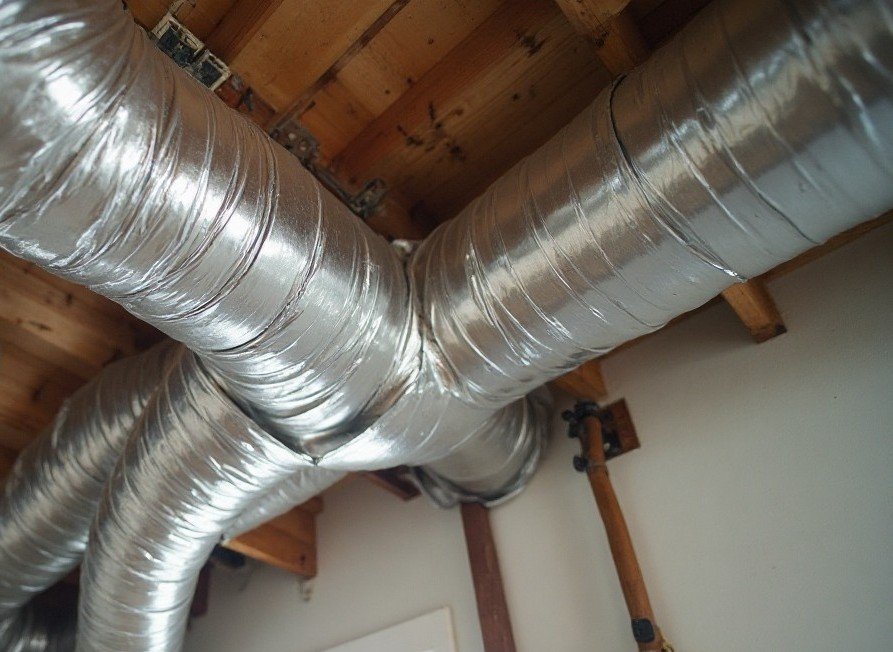
Is ductwork a factor in system life?
Why homeowners in 88052 choose Air Control Services
Air Control Services is a local HVAC contractor in Organ, NM with NATE-certified technicians. The company is licensed and insured, BBB accredited, and locally owned. It offers emergency 24/7 repair for AC blowing warm air, frozen evaporator coils, faulty capacitors, and short cycling furnaces. Technicians follow New Mexico mechanical codes and offer Energy Star replacement options. The team provides free estimates on new systems and supports smart thermostat programming for steady comfort.
Whether in Organ Mountain Estates, Moongate, or near the San Augustin Pass, dispatch times are fast. The company services every household in the 88052 zip code and nearby Las Cruces neighborhoods. It installs and repairs central air conditioners, gas furnaces, electric heat pumps, package units, ductless mini-splits, and indoor air quality products. If a compressor needs testing, a condenser coil needs cleaning, or ductwork shows leaks, the team explains the next step in clear terms.
A straightforward next step for Organ homeowners
If the system is over 10 years old and bills are rising, schedule a performance check. If the AC is blowing warm air or the furnace is short cycling, book a repair visit before a bigger part fails. If breakdowns are stacking up, request a free estimate on an Energy Star replacement from Trane, Lennox, Carrier, Goodman, York, Rheem, or Bryant. Air Control Services will compare repair costs against the remaining life and expected savings, then recommend the best path for your home near the Organ Mountains.
Book your service online today. Keep your home comfortable through the hottest afternoons and the coldest desert nights with a local team that understands Organ’s climate, parts, and codes.
Air Control Services is your trusted HVAC contractor in Organ, NM. Since 2010, we’ve provided reliable heating and cooling services for homes and businesses across Las Cruces and nearby communities. Our certified technicians specialize in HVAC repair, heat pump service, and new system installation. Whether it’s restoring comfort after a breakdown or improving efficiency with a new setup, we take pride in quality workmanship and dependable customer care.
Air Control Services
1945 Cruse Ave
Las Cruces,
NM
88005
USA
Phone: (575) 567-2608
Website: lascrucesaircontrol.com | Google Site
Map: View on Google Maps